
Chandler winters may be mild compared with other parts of the country, but temperatures can still drop significantly at night. That means your HVAC system needs to be ready to switch from months of heavy cooling to reliable heating. Winter HVAC maintenance in Chandler, AZ can help identify potential problems before you need your heating system regularly.
A few simple checks, combined with professional maintenance, can help improve comfort and reduce the chances of an unexpected heating problem. Here are eight practical ways to prepare your HVAC system for the cooler months.
Why Should You Prepare Your HVAC System Before Winter?
Arizona HVAC systems work hard during the summer. After months of keeping your home cool, your equipment may have accumulated dust, experienced component wear, or developed airflow issues that aren’t immediately noticeable.
Preparing your system before winter gives you an opportunity to address potential problems before colder nights arrive. It can also help your HVAC system operate more reliably when you switch to heating.
Even if your system appears to be working normally, seasonal maintenance can help uncover issues that may otherwise become more noticeable when you need your heater most.
8 Essential Tips to Prepare Your HVAC System for Winter
1. Schedule a Professional HVAC Inspection
One of the best ways to prepare for winter is to have your HVAC system professionally inspected.
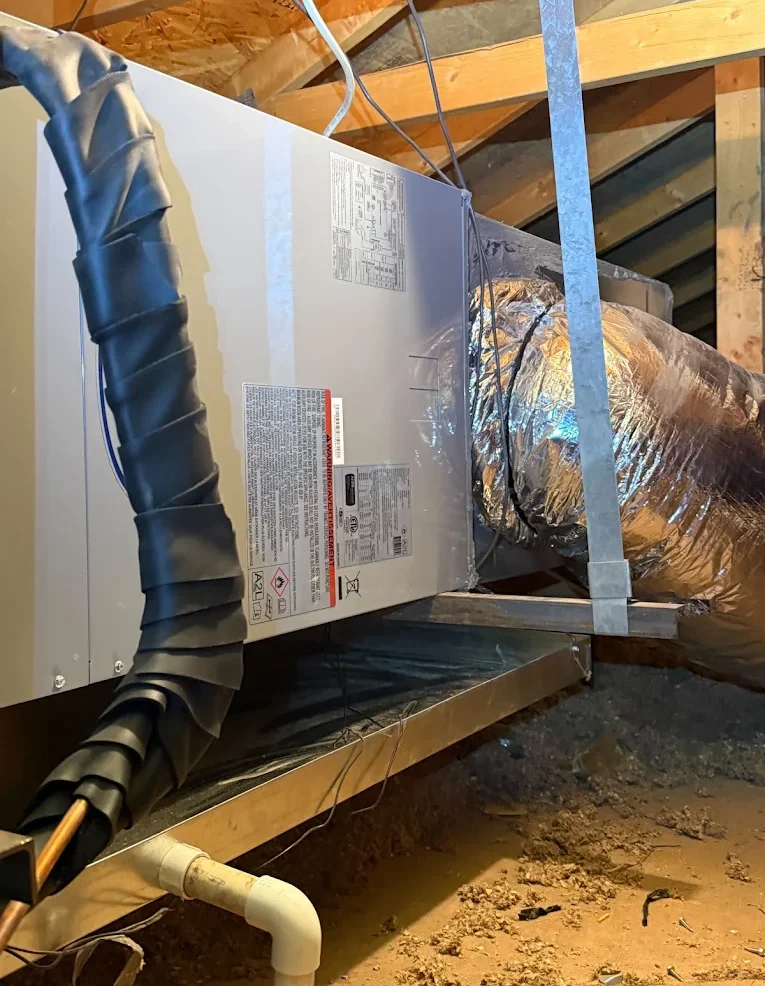
A technician can evaluate the condition and operation of your heating equipment, check airflow, inspect relevant components, and look for signs of wear or developing problems. This is particularly important if your system is older or has experienced recurring issues.
Professional maintenance doesn’t guarantee that a system will never break down, but identifying problems early can help you address them before they become more disruptive.
2. Replace or Check Your HVAC Air Filter
Your HVAC filter plays an important role in maintaining airflow and helping keep airborne particles from circulating through your home.
A dirty or clogged filter can restrict airflow and make your system work harder. How frequently you should replace the filter depends on factors such as the filter type, household occupancy, pets, dust levels, and indoor air quality needs.
Before winter, check your filter and replace it if necessary. If you’re unsure which filter your system needs or how often it should be changed, an HVAC professional can help.
3. Test Your Thermostat Before You Need Heat
Don’t wait for the first cold night to discover that your thermostat isn’t working correctly.
Check that your thermostat is responding properly and that the heating mode operates as expected. If you use a programmable or smart thermostat, review your schedule and temperature settings before the heating season begins.
A thermostat problem can sometimes look like an HVAC problem, so making sure the thermostat is functioning properly is a simple but important part of seasonal preparation.
4. Check Vents, Registers, and Airflow
Take a walk through your home and check your supply vents and return-air grilles.
Make sure vents aren’t blocked by furniture, curtains, rugs, or other household items. Restricted airflow can affect how evenly your home is heated.
If one room feels noticeably colder than another even when your HVAC system is running, the problem may involve airflow, ductwork, insulation, thermostat placement, or the HVAC system itself.
Avoid simply closing vents throughout the home to redirect air. An airflow problem is better addressed by identifying the underlying cause.
5. Inspect Your Ductwork for Airflow Problems
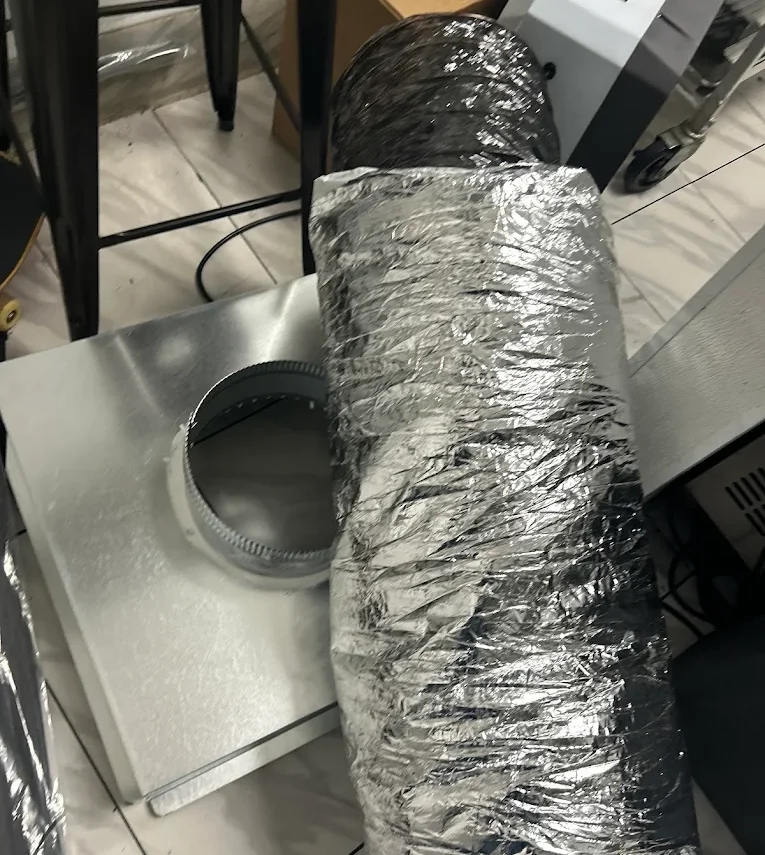
Your ductwork plays an important role in delivering conditioned air throughout your home. Leaks, damage, poor connections, or other ductwork problems can contribute to uneven temperatures and reduced airflow.
Signs that you may have an airflow or ductwork issue include:
- Weak airflow from certain vents
- Rooms that remain too cold or too warm
- Uneven temperatures throughout the house
- Excessive dust
- HVAC systems that seem to run longer than expected
If you’ve noticed these problems, a professional airflow or ductwork evaluation can help determine what’s happening.
6. Pay Attention to Unusual Heating Problems
When you first use your heating system, pay attention to how it sounds, smells, and operates.
Unusual signs can include:
- Strange banging, rattling, or grinding sounds
- Unusual odors
- Weak airflow
- Frequent cycling
- Difficulty maintaining the thermostat setting
- Uneven heating
Some minor issues may be related to normal operation, while others can indicate a mechanical, electrical, airflow, or other HVAC problem.
If something seems unusual, it’s better to have it evaluated rather than continue operating a system that may need attention. Homeowners should avoid attempting repairs involving electrical, gas, or other specialized HVAC components.
7. Consider Your Indoor Air Quality
Winter often means spending more time indoors with windows and doors closed. That makes indoor air quality another consideration when preparing your HVAC system.
A clean filter and good airflow are important starting points. Depending on your home’s needs, additional air-quality solutions may also be worth considering.
Farrell Mechanical provides indoor air quality and airflow solutions designed to help homeowners address issues such as poor airflow and indoor comfort.
8. Schedule Maintenance Before You Need Your Heating System
The best time to discover a heating problem is before you need your heater on a cold night.
Scheduling seasonal HVAC maintenance gives a professional the opportunity to inspect your system and identify potential concerns before they interfere with your comfort.
This is especially worthwhile if your HVAC system is older, has required frequent repairs, or hasn’t received professional maintenance recently.
Regular maintenance isn’t a substitute for replacing an aging system when replacement is genuinely necessary, but it can help you better understand your equipment’s condition and make informed decisions.
What Temperature Should You Set Your Thermostat in Winter in Chandler, AZ?
There isn’t one temperature that works for every household. Your ideal winter thermostat setting depends on your comfort preferences, home characteristics, and schedule.
A programmable or smart thermostat can help you adjust temperatures based on when you’re home, asleep, or away. Avoiding unnecessary heating when nobody is home can also help reduce energy use.
However, thermostat settings aren’t the only factor affecting heating efficiency. Filters, ductwork, airflow, insulation, equipment condition, and system sizing can all influence how efficiently your home is heated.
When Should You Call an HVAC Professional?
Consider scheduling professional service if:
- Your heater won’t start.
- Your home isn’t heating evenly.
- Airflow is unusually weak.
- Your system repeatedly turns on and off.
- You notice unusual sounds or odors.
- Your HVAC system struggles to maintain the thermostat setting.
- Your system is older and experiencing frequent problems.
For gas, electrical, or mechanical issues, avoid attempting repairs yourself. A qualified HVAC professional can diagnose the system and explain the appropriate repair or maintenance options.
Why Chandler Homeowners Choose Farrell Mechanical
Farrell Mechanical is a family-owned HVAC company serving Chandler and the Phoenix Metro Area since 2013. The company provides residential and commercial heating and cooling services with an emphasis on honest recommendations, quality workmanship, and professional service.
The goal isn’t to push homeowners toward an unnecessary repair or replacement. Instead, Farrell Mechanical focuses on understanding the problem, explaining the available options, and recommending a practical solution for the home and HVAC system.
Frequently Asked Questions About Winter HVAC Preparation
How do I prepare my HVAC system for winter?
Start by checking your filter, testing the thermostat, clearing vents and registers, checking for airflow problems, and scheduling professional HVAC maintenance. If you notice unusual noises, odors, or heating problems, have the system inspected before relying on it regularly.
When should I schedule winter HVAC maintenance in Chandler, AZ?
It’s generally better to schedule maintenance before you regularly need heating. Having the system checked early gives you more time to address potential problems before colder nights arrive.
How often should HVAC systems be maintained?
Maintenance frequency depends on your equipment, usage, age, and manufacturer’s recommendations. Seasonal inspections can be useful for systems that provide both heating and cooling.
Why is my heater running but my house is still cold?
Possible causes include restricted airflow, ductwork problems, thermostat issues, equipment problems, or other system-related concerns. A professional inspection can help identify the actual cause.
Should I service my HVAC system if it seems to be working normally?
Preventive maintenance can help identify developing problems before they cause a breakdown. It also gives you a better understanding of your system’s condition before the heating season is underway.
Get Your HVAC System Ready for Winter With Farrell Mechanical
Don’t wait until the first cold night to find out that your heating system needs attention. Farrell Mechanical can help Chandler homeowners prepare their HVAC systems for the winter season with professional maintenance, inspections, repairs, and other heating and cooling services.
For straightforward recommendations and dependable HVAC service, contact Farrell Mechanical today.
Farrell Mechanical
- Call: 480-580-5203
- Email: farrellmechanicalaz@gmail.com
- Address: 543 W Canary Way, Chandler, AZ 85286
- Farrell Mechanical on Google Map
- Arizona license: ROC #287856
Serving Chandler and communities throughout the Phoenix Metro Area.