
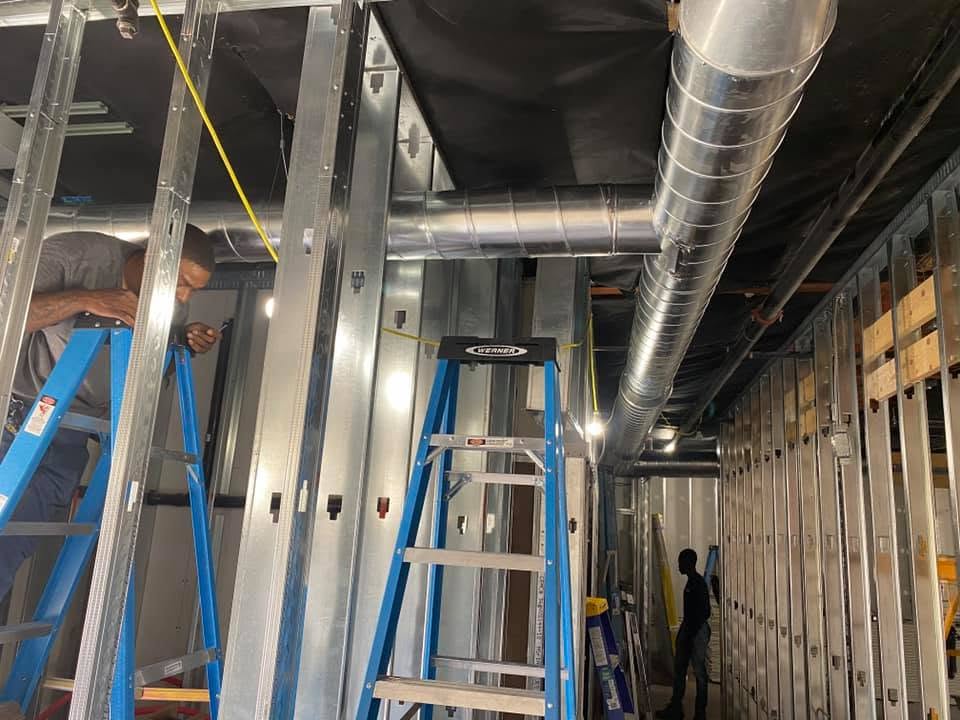
Uneven rooms and rising energy bills may point to leaky air ducts in Chandler, AZ. Although your air conditioner may appear to be working normally, damaged or poorly sealed ductwork can allow cooled air to escape before it reaches your living spaces.
This problem can be especially noticeable in Chandler, where air-conditioning systems often work hard during extended periods of hot weather. A small gap, disconnected joint, or damaged section of ductwork can reduce airflow, make some rooms uncomfortable, and force the HVAC system to run longer.
At Farrell Mechanical LLC, we help Chandler homeowners identify whether their comfort problems are caused by duct leakage, poor airflow, equipment issues, or a combination of factors. Here are the most common warning signs to watch for.
What Are the Most Common Signs of Leaky Air Ducts?
Common duct leak symptoms include uneven room temperatures, weak airflow from vents, unusually high electricity bills, excessive indoor dust, long AC cycles, and visible duct damage.
However, these symptoms can also be caused by clogged filters, blower problems, poor insulation, blocked vents, or aging HVAC equipment. A professional ductwork inspection in Chandler, AZ is the most reliable way to identify the actual cause.
7 Signs Your Chandler Home May Have Leaking Air Ducts
1. Some Rooms Are Hotter Than Others
One of the most noticeable signs of duct leakage is uneven cooling in your house. One bedroom may feel comfortable while another remains warm, even though both rooms are connected to the same HVAC system.
When a supply duct leaks, some of the cooled air may escape into the attic or another unconditioned area before reaching the intended room. As a result, you may experience recurring hot and cold spots or feel the need to lower the thermostat repeatedly.
Uneven temperatures can also result from improper duct sizing, inadequate insulation, airflow restrictions, or poor system balancing. An airflow evaluation can help determine which issue is responsible.
2. Airflow From Your Vents Feels Weak
Place your hand near several supply vents while the air conditioner is running. If one or more vents produce noticeably less air than the others, there may be a leak, blockage, crushed duct, or disconnected section.
Weak airflow from AC vents does not automatically mean the air conditioner needs to be replaced. A dirty filter, closed register, blower-speed issue, damaged duct, or poor duct design can create similar symptoms.
Farrell Mechanical LLC provides HVAC airflow analysis in Chandler to identify pressure loss, restrictions, duct damage, and room-to-room airflow imbalances.
3. Your Electricity Bills Keep Increasing
Air that escapes through damaged ductwork never reaches the rooms it was supposed to cool. Your air conditioner may then run longer to compensate for the loss.
This additional operating time can contribute to higher electricity usage and increased system wear. If your bills rise without a major change in thermostat settings or household usage, leaky ducts and high energy bills may be connected.
Compare bills from similar months and weather conditions. Outdoor temperatures, utility rates, insulation, equipment efficiency, and maintenance history can also affect cooling costs, so a professional diagnosis is important.
4. Your AC Runs Constantly
Does your air conditioner run for long periods without reaching the thermostat setting? Escaping conditioned air may prevent the home from cooling efficiently.
An AC that runs constantly can place unnecessary strain on the compressor, blower motor, and other components. It may also shorten the periods between repairs.
Duct leakage is only one possible cause. Low refrigerant, dirty coils, an incorrectly sized system, poor insulation, thermostat problems, and extreme outdoor temperatures can also cause extended cooling cycles.
A technician should evaluate the entire system rather than recommending duct sealing or AC replacement based on one symptom.
5. Your Home Gets Dusty Quickly
Leaky return ducts can pull dust, insulation particles, and other contaminants from attics or unconditioned spaces into the HVAC system. Those particles may then circulate through the home.
Possible warning signs include:
- Dust collecting around supply registers
- Furniture becoming dusty soon after cleaning
- HVAC filters becoming dirty faster than expected
- Unusual odors coming from vents
- Increased irritation from airborne particles
Although leaky ducts can cause dust, they are not the only possible source. Pets, open doors, inadequate filtration, renovation work, and gaps around windows can also affect indoor air quality in Chandler homes.
6. You Hear Whistling, Rattling, or Air-Escape Sounds
Unusual duct noises should not be ignored. Whistling near a register or duct joint may indicate air escaping through a small opening. Rattling can occur when sections of ductwork become loose or poorly supported.
Noisy ductwork can also be caused by excessive static pressure, loose vent covers, expanding metal, restricted airflow, or an improperly configured blower.
A professional inspection can identify whether the sound comes from air escaping from ducts or another part of the HVAC system.
7. Visible Ductwork Looks Damaged
Some duct problems can be seen without specialized testing. When safely accessible, look for:
- Torn flexible ductwork
- Disconnected duct sections
- Crushed or sharply bent ducts
- Loose insulation
- Gaps around registers
- Deteriorated sealant
- Dust streaks near duct joints
Do not enter an unsafe attic, walk on unsupported surfaces, or dismantle HVAC components. Arizona attics can become dangerously hot, and ductwork may be located near electrical equipment.
Contact a professional for an air duct inspection in Chandler, AZ when damage is difficult or unsafe to access.
Why Are Duct Leaks a Serious Problem in Chandler Homes?
Chandler homeowners rely heavily on air conditioning during the warmer months. In many homes, sections of ductwork pass through attics, garages, or other spaces that are not cooled.
When conditioned air leaks into those areas, the HVAC system must work harder to maintain indoor comfort. Return-side leakage may also pull hot, dusty air into the system.
Persistent duct leakage in Arizona can lead to uneven temperatures, poor airflow, unnecessary energy use, reduced indoor air quality, and greater strain on HVAC components. Even a high-efficiency air conditioner may underperform when connected to damaged or poorly designed ductwork.
How Do HVAC Technicians Find Air Duct Leaks?
A professional inspection may involve several diagnostic steps.
Visual Inspection
The technician checks accessible duct sections, joints, insulation, registers, and connections for visible damage or deterioration.
Airflow and Pressure Testing
Airflow measurements and static-pressure testing can reveal restrictions, pressure loss, or imbalances within the system.
Duct-Leakage Testing
Specialized testing may be used to measure how much air is escaping from the duct system and identify whether the leakage is significant.
Whole-System Evaluation
The technician should also inspect the filter, blower settings, vents, thermostat, equipment condition, and duct design. This prevents another HVAC problem from being incorrectly diagnosed as a duct leak.
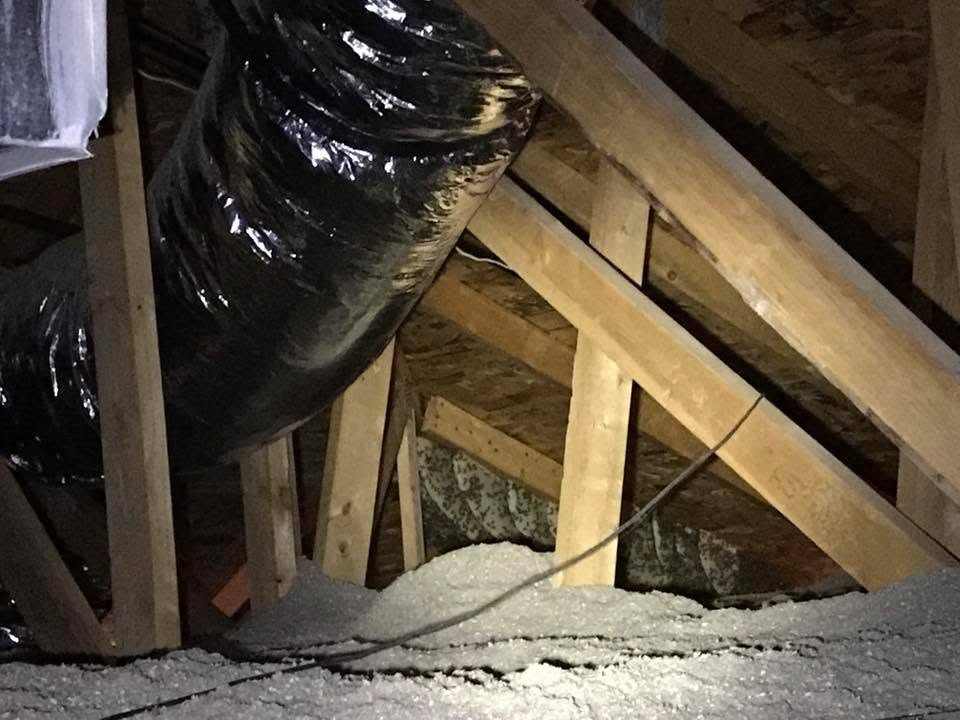
Should Leaky Air Ducts Be Repaired, Sealed, or Replaced?
The correct solution depends on the condition and design of the ductwork.
Localized tears, gaps, or loose joints may require air duct repair in Chandler, AZ. Multiple small leaks may be addressed with professional duct sealing, including approved mastic, foil-backed tape, or systems such as Aeroseal.
Ordinary cloth-backed duct tape is generally not a durable solution for HVAC ductwork.
Replacement or remodeling may be recommended when ducts are badly damaged, poorly sized, repeatedly disconnected, heavily restricted, or improperly designed. Farrell Mechanical LLC evaluates the system before recommending the most practical option.
Can You Check for Duct Leaks Yourself?
Homeowners can perform a few safe preliminary checks:
- Compare airflow from different vents.
- Note rooms that remain consistently warmer.
- Replace a dirty HVAC filter.
- Look at visible registers and accessible duct connections.
- Compare electricity usage across similar months.
- Listen for whistling or air-escape sounds.
Avoid using candles, matches, or open flames to test airflow. Do not enter dangerous attic spaces or attempt repairs near electrical and mechanical equipment.
Frequently Asked Questions About Leaky Air Ducts
How Can I Tell if My Air Ducts Are Leaking?
Common signs include weak airflow, uneven temperatures, long AC cycles, high electricity bills, excessive dust, and visible duct damage. Professional testing is needed to confirm leakage and rule out other HVAC problems.
Can Leaky Air Ducts Increase My Electricity Bill?
Yes. Escaping conditioned air can cause your air conditioner to operate longer. However, outdoor temperatures, utility rates, insulation, thermostat settings, and equipment condition can also influence your bill.
Can Leaky Ducts Make a House Dusty?
Leaky return ducts may pull dust and particles from an attic or another unconditioned area. These contaminants can then circulate through the HVAC system and enter your rooms.
Is Air Duct Sealing Worth It in Arizona?
Duct sealing may improve comfort, airflow, and efficiency when testing confirms meaningful leakage. However, it will not solve problems caused by incorrectly sized ducts, faulty HVAC components, poor insulation, or inadequate system design.
How Much Does Duct Sealing Cost in Chandler, AZ?
The cost depends on the home’s size, duct material, accessibility, leakage severity, repair method, and whether damaged sections need replacement. An inspection is necessary before an accurate estimate can be provided.
Schedule a Duct and Airflow Inspection With Farrell Mechanical LLC
Uneven rooms, weak airflow, and rising cooling bills do not necessarily mean you need a new air conditioner. Farrell Mechanical LLC can inspect your ductwork, evaluate the entire HVAC system, and explain the available solutions without high-pressure sales tactics.
For professional help with leaky air ducts in Chandler, AZ, contact Farrell Mechanical LLC today.
- Call: 480-580-5203
- Email: farrellmechanicalaz@gmail.com
- Address: 543 W Canary Way, Chandler, AZ 85286
- Farrell Mechanical on Google Map
- Arizona license: ROC #287856